The ‘Best Oops Ever’: A Designer’s Take on a Playful Embroidery File
When a design file titled Best Oops Ever lands in your library, it’s impossible not to smile. The name itself sets a tone—lighthearted, forgiving, and instantly relatable. As someone who reviews and stitches hundreds of machine embroidery designs for real client projects and my own craft business, my first question is always: does this digital asset translate into a beautiful, functional finished product? Let’s walk through that practical judgment.
The Immediate Mood and Visual Personality
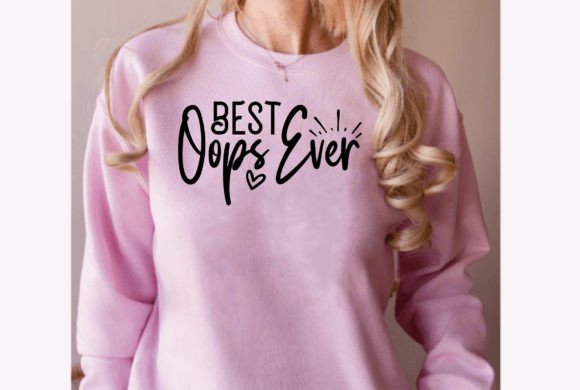
This is a design that wears its heart on its sleeve. Without seeing the specific graphics, a title like Best Oops Ever suggests a theme of cheerful accident, happy mistake, or a celebratory “well, that happened!” It inherently creates a mood of warmth and humor. For an embroidery designer, that tells me the layout likely leans towards playful typography, perhaps paired with illustrative elements like a smiling face, a quirky symbol, or a softened, rounded shape. The visual personality feels friendly and approachable, not stern or overly technical.
This isn’t a corporate logo file; it’s a design built for connection. It naturally belongs to projects meant to delight, to personalize, and to add a human touch. Think of a custom embroidered patch on a child’s backpack after a little spill, or this phrase stitched onto a kitchen towel as a gentle reminder that perfection isn’t the goal. Its home is in the world of personalized gifts and handmade products that carry a story.
Where ‘Best Oops Ever’ Shines in Real Projects
Imagining this design stitched out, its true value comes from its application. Let’s consider a real scenario: I’m preparing a custom order for a boutique that wants a line of tote bag designs with witty, uplifting phrases. Best Oops Ever immediately stands out as a candidate. On a sturdy canvas tote, the embroidery would become a permanent, charming feature. The stitch clarity and crispness would elevate the bag from a simple carrier to a small shop product with personality, likely increasing its perceived value and buyer engagement in an Etsy listing or at a craft fair.
Similarly, on a cozy sweatshirt embroidery or a baby embroidery item like a soft blanket, this phrase transforms the garment. It turns a basic piece into a conversation starter or a sentimental holiday gift. For apparel decorators, it’s a versatile T-Shirt design that could appeal across ages. As a digital embroidery file, its strength is its adaptability—it could be scaled for a large pillow cover centerpiece or reduced for a subtle accent on a cap or apron. This flexibility is key for creative entrepreneurs looking to maximize a single design asset.
Considering Commercial Use and Professional Presentation
If you’re an Etsy seller or run a handmade shop, using Best Oops Ever on your merchandise affects more than just aesthetics. It builds customer trust by showing your brand has a relatable, human voice. It enhances giftability because the message is inherently kind and inclusive. For brand consistency, if your shop’s vibe is friendly and supportive, this design fits perfectly. Stitched well, with clean satin stitches or crisp fill stitches, it conveys professionalism through quality execution, even while delivering a playful message.
Careful Application: When to Mind the Details
Every design has its considerations. With a likely text-heavy or detailed graphic like Best Oops Ever, you must think about its execution. On small hoop sizes, tiny lettering can become muddy if the stitch density is too high. Embroidering on thin fabric or stretchy fabric like a lightweight tee requires excellent stabilizer to prevent distortion of those potentially delicate curves. Dark fabric backgrounds demand high-contrast thread colors to maintain the design’s visibility and cheer.
Textured fabrics like some blankets can obscure finer details. Applying it to curved surfaces like caps requires checking that the design’s layout doesn’t have elements that would get lost on the seam. Also, if the design includes very dense stitch areas or intricate decorative accents, it might not suit items needing frequent washing, as heavy stitching can wear differently over time. The key is to match the design’s complexity to the product’s purpose and durability.
A Designer’s Practical Notes Before You Hoop It
Before you commit this to a client’s order or your next batch of small business merchandise, do your homework. Always test the design on scrap fabric first. Use the same material you plan for the final product. This reveals everything: how the stitch density behaves, whether any tiny lettering remains legible, and how the overall scale feels.
Check thread color contrast thoroughly. Run a test in black and white mockups to see the silhouette, and then compare light and dark fabric backgrounds with actual thread swatches. This ensures the design’s mood translates regardless of the base color. Inspect small details in your test stitch-out; sometimes a digital preview hides minute junctions that could be problematic.
Crucially, since the product description notes it’s a digital download containing files for many purposes, you must confirm licensing before selling finished items or digital products. Understand the permissions for commercial embroidery use. Also, while the description suggests broad use, you should check whether the design works for both personal and commercial projects explicitly. This due diligence protects your craft business and respects the designer’s work.
Finally, consider the fabric texture and hoop size you’ll need. A successful embroidery project relies on this technical harmony. Even the most charming design like Best Oops Ever depends on your skillful setup to truly become the best oops ever on a beautifully embroidered patch, a gift-ready tea towel, or a bestselling custom apparel piece.
The Final Stitch: Why This Design Resonates
In the end, Best Oops Ever succeeds because it connects on a human level. It’s a graphics file with emotional intelligence. For makers, it’s a versatile tool. For customers, it’s a wearable or usable piece of empathy. As a designer reviewing it for real use, my judgment is that with thoughtful application and technical care, this design can elevate a simple product into something special—a piece that celebrates imperfection with a perfectly stitched smile.