Welcome to Our Happily Ever After: A Designer's Honest Review
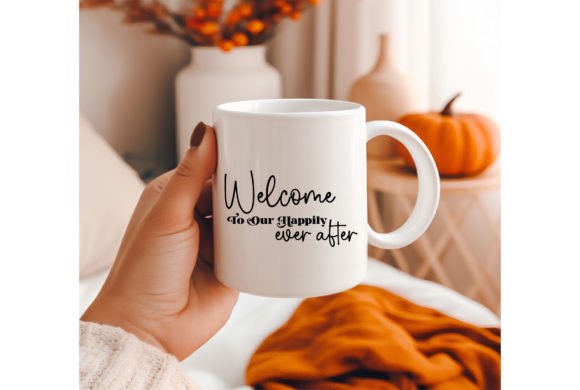
Whenever a new embroidery design lands in my library, I judge it by the same practical questions I’d ask in my studio: What mood does it create? Where would it truly shine on a finished product? And is it a design my customers—or my clients’ customers—would actually want to hold in their hands? Welcome to Our Happily Ever After immediately answers the first question with warmth. This isn’t a loud, graphic statement; it’s a gentle, narrative piece. The layout feels classic and sincere, suggesting it belongs on items meant to commemorate, celebrate, or offer a personal welcome.
The Perfect Project Fit: Beyond the T-Shirt
The product category notes T-Shirt Designs, and it would certainly work there, but my mind jumps to more textured applications. I picture this design embroidered on a linen tote bag for a wedding gift, stitched onto the corner of a cozy blanket for a new baby, or applied as a patch on a well-loved apron. Its visual personality is inherently giftable. For small business owners and Etsy sellers, that’s a key quality. Imagine this on a simple cotton sweatshirt sold in your boutique—it tells a story, which elevates a basic apparel item into a meaningful product.
For my own recent project, I considered it for a set of personalized pillow covers for a bride. The phrase “Happily Ever After” carries emotional weight, and the design’s composition seems to frame that sentiment without being overly ornate. This is where graphics become more than just files; they become the heart of a handmade product.
Stitching It Into Reality: Practical Performance
In real-life embroidery, a design’s appeal is only as good as its stitchability. Here’s how I’d approach Welcome to Our Happily Ever After for actual projects. First, I’d always test it on scrap fabric that matches my final product—a canvas for a tote, a cotton blend for a sweatshirt, or a softer knit for baby clothes. This reveals how the stitch density interacts with the fabric texture. On thicker materials like canvas or denim, the design will likely stand out with beautiful clarity. On thinner or stretchy fabrics, using the correct stabilizer becomes absolutely critical to prevent puckering, especially if the design has areas of satin stitch or dense fill.
The level of detail and any potential tiny lettering are my next check. If the design includes fine script or decorative accents, I’d consider slightly enlarging it for projects on textured fabrics or curved surfaces like caps, where small details can get lost. For dark fabric backgrounds, thread color contrast is paramount. A simple black-and-white printable mockup can help visualize this before committing thread.
Where This Design Should Be Used With Care
Every design has its ideal applications and its trickier ones. For Welcome to Our Happily Ever After, I’d be cautious using it in very small hoop sizes, as compression might crowd its elements. Similarly, on highly layered garments like quilted jackets, or on items that will undergo frequent washing (like kitchen towels), you’d want to ensure the stitch structure is robust enough to maintain its integrity over time. The design’s charm lies in its presentation, so preserving that handmade look through practical durability matters.
Why It Works: The Value for Your Customer and Your Business
From a commercial perspective, this design affects more than just visual appeal. It influences product value and customer trust. A well-embroidered item featuring this phrase feels thoughtful and professional. For creative entrepreneurs, it supports brand consistency if your shop specializes in celebratory, personalized, or gift-oriented items. It engages buyers because it connects to a moment—a new home, a marriage, a newborn. That emotional resonance translates directly into giftability and recognition.
For digital product sellers, this embroidery file is a strong design asset. It’s clearly suited for projects that tell a personal story, making it attractive to other crafters looking for meaningful patterns. When you create printable mockups for your Etsy listings featuring this design on a tote bag or baby blanket, you’re showing its potential application, which helps customers visualize the finished product.
A Professional Designer’s Final Notes
Before loading this machine embroidery design for a client order or a new batch of shop merchandise, my checklist is simple but vital. I confirm the licensing terms for the digital file—can I use it for commercial embroidery projects selling finished items? I inspect the small details in the file preview to gauge if any corners or accents might need slight adjustment for my specific machine or thread type. I compare how it looks conceptually on both light and dark fabric backgrounds, planning my thread palette accordingly.
Ultimately, Welcome to Our Happily Ever After strikes me as a dependable, heartfelt design. It’s not a flashy trend-piece, but a lasting one. It belongs on projects where the stitching is meant to be kept, cherished, and seen as part of a story. That’s a quality I always look for, whether I’m embroidering a custom apparel gift for a friend or stitching the next product for my small shop’s collection.