Daddy’s Lucky Charm: An Embroidery Designer’s Honest Take
The First Impression: Sentiment Wrapped in Design
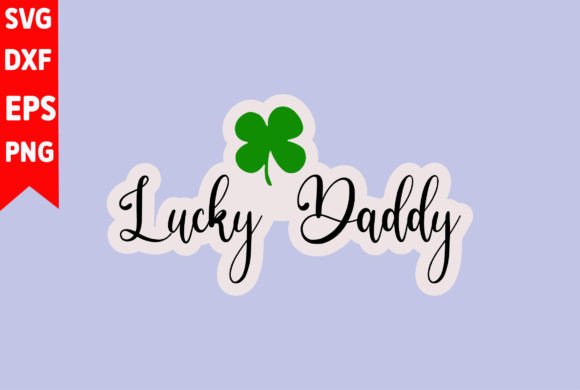
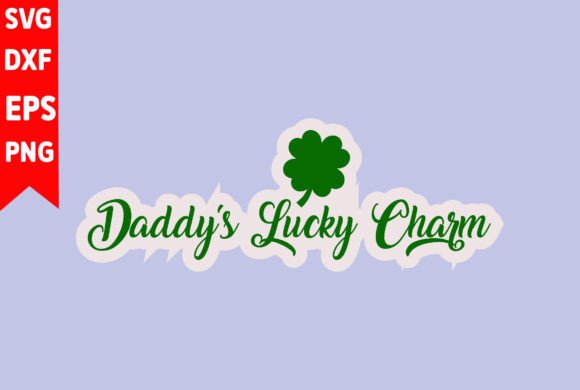
When I first open Daddy’s Lucky Charm, I’m not just looking at a graphic; I’m assessing a feeling. This embroidery design has a warm, sentimental personality that immediately suggests heartfelt projects. The composition, likely built around a central charm motif, feels personal. It doesn’t scream for attention but invites a closer look, which is perfect for custom apparel and gifts meant to convey affection rather than flash. For makers targeting projects like personalized pillow covers, anniversary sweatshirts, or a special tote bag for a new dad, this mood is exactly what you want to stitch into the fabric.
Where This Design Thrives in Real Projects
In my workshop, thinking about real-life embroidery situations, I envision this design shining on certain surfaces. Its thematic nature makes it a strong candidate for items that carry a personal story. Imagine stitching it onto a high-quality cotton apron as a “first Father’s Day” gift, or applying it as a crisp embroidered patch to a denim jacket. I’d also consider it for boutique products like kitchen towels in a father-themed gift set or as a central element on a baby blanket. The T-Shirt Designs category is a natural fit, but its appeal likely extends beyond tees to caps, hoodies, and even simple nursery decor pieces.
The key to its performance lies in choosing the right canvas. On a sturdy, medium-weight fabric like a sweatshirt or canvas tote, the details should hold up well, assuming the stitch density is appropriate. For craft business owners and Etsy sellers, this translates into a product that feels substantial and well-made, boosting customer trust and the perceived value of your handmade item.
A Real Scenario: Preparing a Boutique Gift Tote
Let’s walk through a scenario. I’m preparing a custom embroidered tote bag as a gift basket centerpiece for a client’s boutique. I choose a natural linen bag. Before I even load the machine embroidery design, I’m thinking: Will Daddy’s Lucky Charm look crisp on this slightly textured fabric? Will the sentiment read clearly from a few feet away on the shop shelf? My confidence in the final product hinges on how well the design’s elements—especially any text or delicate borders—translate into stitches. A successful outcome here means a product that sells not just on looks, but on the emotional giftability it effortlessly communicates.
Careful Application: Where to Proceed with Caution
Every design has its limits, and a practical review must address them. For Daddy’s Lucky Charm, areas requiring extra care would typically include any intricate detailing. If the design incorporates small lettering or very fine lines, these might struggle on stretchy fabrics like certain t-shirts without perfect stabilizer use. Embroidering on dark fabric demands thoughtful thread color contrast planning to maintain clarity.
Applying it to curved surfaces, like a baseball cap, requires checking that the layout accommodates the curve without distorting key elements. Similarly, on thin fabric for baby garments, the stitch density needs to be balanced to prevent the fabric from puckering or feeling stiff. For projects destined for frequent washing, like a child’s sweatshirt, you must ensure the stitch structure is robust enough to endure wear, which often comes down to the foundational choices in the embroidery file itself.
The Impact on Your Craft and Business
Using a design like this isn’t just about making an item; it’s about building an experience. When stitched well, it enhances visual appeal through its thematic coherence. It can elevate a simple product into a meaningful gift, directly impacting buyer engagement in your Etsy shop or at a craft fair. For small shop product lines, consistently using well-executed, sentimentally appropriate designs like this fosters brand consistency. Customers begin to associate your brand with quality, thoughtfulness, and professional presentation.
Essential Designer Notes Before You Hoop
Before committing this design to a client project or your own merchandise, run through these practical steps. They save time, material, and reputation.
- Test on scrap fabric first. Use the same material and stabilizer you plan for the final project. This reveals how the fill stitches or satin stitches behave.
- Check thread color contrast against your intended fabric background, both light and dark. Sometimes a design needs a slight color adjustment to pop.
- Review the stitch density in your software preview. High density on lightweight fabrics is a common pitfall.
- Confirm your hoop size is compatible. While the product details may not specify exact sizes, you need to ensure the design dimensions fit your intended hoop without requiring awkward resizing.
- Inspect small details in a black and white mockup. This helps judge readability separate from color appeal.
- Always use proper stabilizer. It’s the unsung hero of clean embroidery.
- Most critically, confirm licensing before selling finished items. The description suggests broad use, but for commercial embroidery projects, explicit confirmation is your due diligence.
Final Judgment: A Design with Heart and Potential
Daddy’s Lucky Charm strikes me as a graphics asset with a clear purpose. It’s not a generic, all-purpose logo; it’s a narrative piece. For embroidery designers and makers aiming to create products with emotional resonance—whether a holiday gift, a boutique baby item, or personalized cap—it offers a solid foundation. Its success, as always in embroidery, will be determined by your skill in pairing it with the right fabric, technique, and intent. Approach it with a tester’s mindset and a storyteller’s heart, and it should translate into a finished product that feels both handmade and deeply considered. That’s the kind of result that turns a simple embroidery project into a cherished item.