Three Weeks: A Designer’s On-Hoop Review
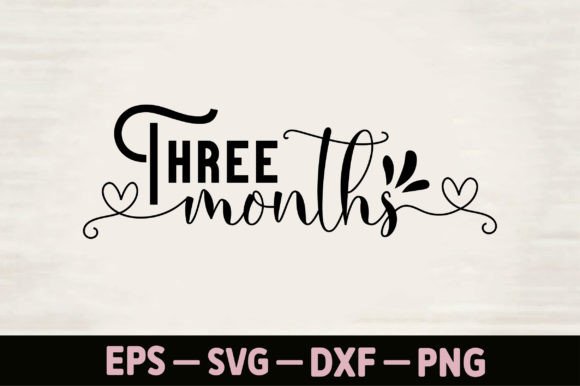
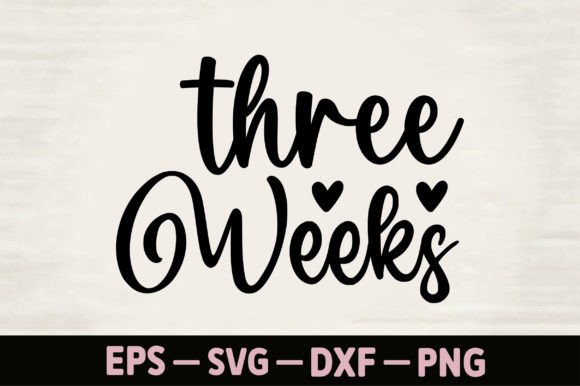
When a new embroidery file lands in my inbox, I don’t just look at the preview. I think about how it will look on fabric, under a needle, and in my customer’s hands. That’s exactly the process I’m walking through with Three Weeks. As an experienced designer and product reviewer, my job is to translate a digital graphic into practical, real-world embroidery insight.
The Quiet Confidence of Three Weeks
First impressions matter. Three Weeks has a visual personality that feels balanced and intentional. It doesn’t shout; it suggests. The layout and theme convey a sense of measured time, a quiet milestone. For embroidery, this mood is a gift. It means the design isn’t trying to overpower a garment or product; it’s meant to become a thoughtful part of it. This isn’t a flashy, dense graphic. It’s a design that belongs on projects where the stitching itself is the primary decoration—think a minimalist tote bag for a boutique, a softly embroidered pillow cover for a nursery, or a personalized kitchen towel as a housewarming gift.
Where Three Weeks Finds Its Home
Let’s paint a real scenario. I’m preparing a custom order for a client: an embroidered linen apron for a cooking enthusiast. They want something elegant, not cartoonish. I look at Three Weeks and immediately see its potential here. The design’s shape and detail level suggest it would stitch out with clarity on that natural fabric, becoming a sophisticated accent rather than a loud logo. This is its natural habitat: projects where the product’s quality and the embroidery’s craftsmanship are meant to harmonize.
Beyond that apron, Three Weeks performs well across a spectrum of real-life embroidery situations. For custom apparel like crewneck sweatshirts or premium t-shirts, it offers a focal point without overwhelming the garment’s cut. On tote bags and pillow covers, it provides brand consistency for a small shop. As a personalized gift—embroidered on a blanket corner or a baby’s romper—it feels heartfelt because the design itself is understated and meaningful. For commercial embroidery projects or craft business items sold on Etsy, it lends a professional, handmade presentation that can elevate a simple product.
When to Stitch With Extra Care
Every design has its considerations. While Three Weeks appears clean, its successful translation to stitch depends on mindful execution. On highly textured fabrics like certain linens or boucle, fine details might need adjusted stitch settings to remain sharp. If you’re planning it for a curved surface like a cap, the layout must be checked for distortion in the mockup. Working on thin or stretchy fabric demands the right stabilizer to prevent puckering, especially if any areas have higher stitch density.
Perhaps the most critical test is on dark fabric backgrounds. The visual appeal hinges on thread color contrast. A light thread on a dark garment will make Three Weeks pop beautifully, but if the design has very small lettering or intricate corners, you must test a sample first to ensure stitching clarity. For products destined for frequent washing, like tea towels or baby clothes, a robust stitch construction is key—again, a scrap fabric test is your best friend here.
The Value It Stitches Into Your Product
Using a design like Three Weeks isn’t just about decoration; it’s about embedding value. On a finished product, clean, crisp embroidery from a well-balanced file builds customer trust. It signals attention to detail. For a small shop product, this enhances brand consistency. For a personalized gift, it boosts giftability and recognition—the recipient notices the craftsmanship. In a marketplace like Etsy, a strong embroidered product photo, likely created using a printable mockup of this design, drives buyer engagement. It looks professional, not amateur.
Practical Notes Before You Hoop It
Here is my standard checklist before I’d commit Three Weeks to a client project or my own merchandise:
- Always, always test the design on scrap fabric first. Use the same material and weight as your final project.
- Check thread color contrast against both light and dark fabric backgrounds. Create simple black and white mockups in your software to see the silhouette.
- Review stitch density by running a small section. Observe if any areas are overly dense for your chosen fabric.
- Confirm the hoop size you’ll need. The product information mentions it’s a digital file for many purposes, but the specific required hoop size isn’t listed here—you must verify this in the actual file before starting.
- Inspect small details in the embroidery file preview. Look for any potential issues with tiny elements that might need simplification for very small hoop sizes.
- Consider the final use. Are you making a one-off handmade product or producing items for commercial sale? Confirm licensing before selling finished items. The description states it can be used for many purposes, but the exact license terms aren’t specified here—it’s crucial to check the included documentation.
A Design That Suggests, Not Declares
In the end, Three Weeks strikes me as a machine embroidery design with a specific strength: it’s a complementary asset. It doesn’t demand to be the entire show; it enhances the stage it’s on. Whether you’re an apparel decorator adding it to a boutique sweatshirt, a hobbyist creating a holiday embroidery gift, or a creative entrepreneur building a line of embroidered patches, its value lies in its adaptable, thoughtful presence. My final judgment, from a designer’s point of view, is that this is a file for makers who understand that sometimes, the most impactful embroidery is the one that feels seamlessly, and quietly, part of the story.