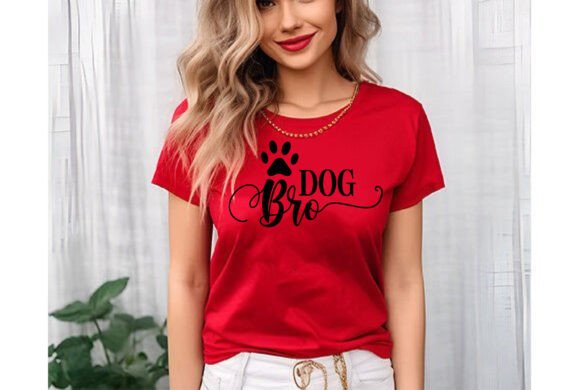
Reviewing Dog Daddy Graphics for T-Shirt Designs
As a brand designer and content marketer, I recently had the opportunity to review Dog Daddy, a graphic design asset that promises versatility and creativity. The first impression of Dog Daddy is both playful and engaging, making it an ideal choice for brands looking to add a touch of whimsy and charm to their visual content.
A Versatile Asset for Creative Branding
The mood created by Dog Daddy is light and fun, which can significantly influence audience perception. It brings an emotional tone that feels suitable for casual branding, lifestyle content, and even handmade products. This makes it a great fit for small businesses or creative entrepreneurs who want to connect with their audience on a more personal level.
Practical Use in Marketing and Branding
In real marketing and branding situations, Dog Daddy performs exceptionally well. For instance, when used in brand identity and logo design, it can help create a memorable and distinctive look. In packaging design and product labels, it adds a unique and eye-catching element that stands out on shelves. For social media graphics, such as Instagram posts and Pinterest pins, Dog Daddy can make your content more shareable and visually appealing.
- Social Media Graphics: Enhances engagement and shareability.
- Pinterest Pins: Attracts attention and drives traffic.
- Facebook Ads: Creates a strong visual impact and improves click-through rates.
Supporting Marketing Goals with Dog Daddy
Using Dog Daddy in your marketing materials can help achieve several key goals. It creates a stronger first impression, establishes a clearer visual hierarchy, and supports more consistent branding. Additionally, it enhances product presentation, builds audience trust, and strengthens recognition. The emotional connection and professional appearance it brings can lead to better engagement and more memorable campaign visuals.
Ideal Applications for Dog Daddy
Dog Daddy works best in hero graphics, campaign headers, and product launch visuals. It also shines in branded templates, social media covers, and packaging accents. For content creators, it's perfect for content bundles, promotional banners, editorial layouts, and decorative brand elements. These applications leverage its playful and engaging nature to full effect.
Cautionary Notes for Specific Uses
While Dog Daddy is versatile, it should be used carefully in certain contexts. For formal corporate branding, dense information layouts, and small mobile graphics, it might not be the best fit. It's also important to use it cautiously on low-contrast backgrounds, in overly minimal brands, or in text-heavy ads where it could compete with the main message.
Practical Tips for Brand Designers
To ensure Dog Daddy integrates seamlessly into your brand, test it with your color palette and in black and white. Place it inside real campaign mockups and preview it on mobile screens. Check readability in small sizes and compare it against competitor visuals. Consider how it pairs with different font styles, such as serif, sans serif, script, handwritten, and display fonts. Review spacing and balance, and always confirm commercial licensing before using it in paid campaigns, client work, or business branding.
Conclusion: A Strong Addition to Your Design Toolkit
Overall, Dog Daddy is a robust and creative design asset that can add significant value to your branding and marketing efforts. Its versatility and charm make it a standout choice for a wide range of applications, from T-Shirt Designs to broader marketing visuals. By following these practical tips, you can effectively integrate Dog Daddy into your projects and create compelling, engaging, and professional-looking content.