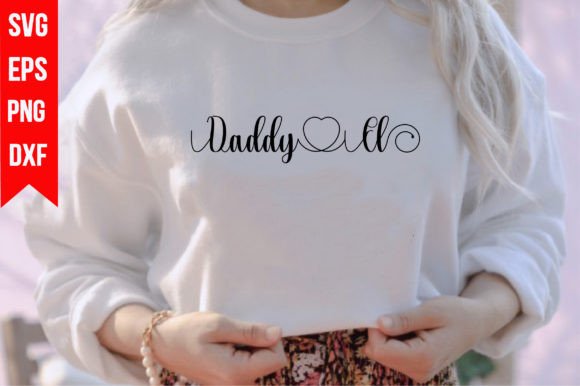
Daddy Elf Graphics for Branding & T-Shirt Designs
When a local bakery client approached me for a seasonal holiday cookie box redesign, their existing packaging felt tired. They needed something that felt both whimsical and professional—a design that could elevate a simple cardboard box into a gift-worthy experience. As a brand designer, my first step is always to audit available assets, and when I previewed the Daddy Elf graphics, I immediately saw potential beyond just T-shirt designs.
The First Impression: A Blend of Playful Charm & Decorative Craft
Opening the Daddy Elf file, the mood is distinctly festive and handmade-friendly. It suggests a brand personality that is warm, approachable, and slightly nostalgic, perfect for businesses that celebrate craft, tradition, or personal touch. This isn’t a stark, minimalist asset; it leans decorative, carrying a soft, playful energy. For my bakery client, this meant it could visually translate the “homemade” quality of their cookies while still providing a structured, polished graphic element for their packaging.
Fitting Daddy Elf into a Real Local Business Brand Identity
This graphic design asset fits businesses where personality and charm are key sales drivers. Imagine a boutique florist’s holiday wreath tags, a candle brand’s winter collection labels, a children’s product brand’s product packaging, or a coffee shop’s seasonal menu graphics. It feels friendly and decorative, ideal for brands that want to forge a stronger emotional connection without appearing overly corporate. For a skincare or handmade soap business aiming for a “crafted with care” aesthetic, Daddy Elf could serve as a beautiful accent, though it might feel too playful for a brand striving for clinical, luxury minimalism.
Practical Applications: From Product Labels to Social Campaigns
The true value of an asset like Daddy Elf is its versatility in commercial design. In my project, we used it not as a primary logo, but as a hero graphic and decorative brand element. Here’s how it translated across materials:
- Packaging Design: As a large, central illustration on the cookie box lid, creating immediate shelf appeal and a stronger first impression.
- Product Labels & Hang Tags: Simplified elements from the design became accent graphics on individual bag labels.
- Promotional Visuals: It formed the core of social media graphics announcing the holiday collection, ensuring consistent brand identity across channels.
- Printable Inserts: A smaller version adorned the thank-you card placed inside each box, reinforcing brand touchpoints.
- Marketing Visuals: We integrated it into website banners and promotional ad mockups, creating a cohesive campaign look.
This single asset helped build clearer visual hierarchy on the packaging, improved customer trust through more professional presentation, and gave all marketing visuals a unified, polished feel.
Where Daddy Elf Works Best in Small Business Branding
For most creative entrepreneurs and local business owners, this asset excels as a decorative component. Use it boldly as a focal point on product mockups, seasonal packaging, boutique store window posters, or festive flyers. It can be a stunning background for a menu in a food business or a hero graphic on a fabric banner for a home decor shop. Its decorative nature makes it ideal for areas where you want to create atmosphere and immediate visual interest.
A Brand Designer’s Notes on Usage & Caution
While versatile, a decorative asset requires strategic placement. In my bakery label layout, we kept it away from the ingredient list and legal text areas. Here are my practical notes from the project:
- Test on Real Mockups: Always place the graphic on your actual packaging template. Check how it interacts with your brand colors and text.
- Check Scale & Contrast: Preview it on small labels—ensure it doesn’t become illegible or crowded. Avoid low-contrast backgrounds.
- Font Compatibility: I tested Daddy Elf alongside a clean sans-serif font for body text and a script font for the business name. The contrast worked beautifully; it would clash with another heavy display font.
- Print Quality & Editability: If provided as an SVG, inspect the vector paths for easy color adjustment. For PNGs, always check the transparency on different backgrounds.
- The Commercial License: Before any client work or physical product sales, you must confirm the asset comes with a commercial license for business branding and product packaging.
Where to Apply Caution with Decorative Graphics
Daddy Elf should be used carefully in formal corporate branding or on ingredient-heavy layouts where decoration competes with critical information. It’s not ideal for very small, text-dense areas like a pharmaceutical label. For luxury minimalist brands seeking a sleek, austere feel, this decorative style would likely mismatch. The key is to let it enhance, not overwhelm, your core messaging.
Building Professional Branding with a Single Graphic Asset
For the bakery, the Daddy Elf graphics became the visual thread tying their holiday campaign together. From the physical product label to the digital social media graphics, it provided a consistent, recognizable element that elevated their entire brand presentation. This is the power of a well-chosen design asset: it can transform a simple digital product into a tool for building clearer visual hierarchy, stronger product recognition, and more polished editorial design across all customer touchpoints.
For small business owners, marketers, and packaging designers, an asset like this isn’t just clipart; it’s a potential cornerstone for a seasonal brand identity. Whether you’re designing for a handmade seller, a local florist, or a food label project, approach it as a strategic component. Test it against competitor packaging, see how it functions in black and white for alternative uses, and integrate it thoughtfully. When done right, it moves beyond being a T-shirt design and becomes an integral part of your brand’s visual story.