A Designer's First Impression of Can't Wait for Labor Day
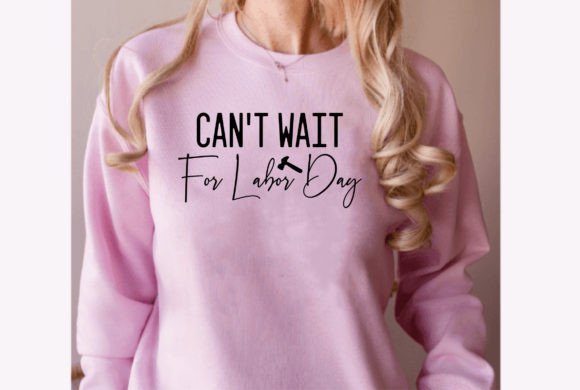
When I opened Can't Wait for Labor Day, I immediately felt its playful, end-of-summer energy. The design’s personality is clear from the layout—it’s celebratory, a bit nostalgic, and carries that relaxed, holiday-weekend vibe perfectly. As an embroidery file meant for T-shirt designs and other apparel, its composition feels naturally balanced for a chest or sleeve placement. The detail level isn’t overly dense; it suggests it will translate well into stitches without becoming a heavy, stiff patch on lighter fabrics. This is a graphics design that belongs on casual, fun projects.
Where This Design Finds Its True Home
I picture this on a custom embroidered sweatshirt, ready for a September craft fair. It’s the kind of piece that sells because it taps into a shared feeling. But its utility goes far beyond that. Can't Wait for Labor Day would shine on a tote bag for a picnic, a simple patch on a denim jacket, or as a sweet, small motif on a baby’s romper for a family barbecue. For small business owners, it’s a ready-made asset for holiday-themed merchandise—think aprons for the grill master or pillow covers for a cozy porch setup.
The mood is universally positive, making it highly giftable. A client might request it on a kitchen towel as a personalized gift for a neighbor, or an Etsy seller could pair it with a simple mockup for a digital product preview. It fits the craft business model beautifully because it’s adaptable. You could use it for commercial embroidery on a batch of caps for a small shop or keep it personal for a one-off holiday gift.
Navigating the Practicalities of Stitching
In real-life embroidery situations, the success of Can't Wait for Labor Day will depend on thoughtful application. On a standard cotton t-shirt or a sturdy tote bag, I expect clean stitching and good visual appeal. However, on stretchy fabric or a thin, lightweight tee, you’ll need a robust stabilizer to prevent puckering, especially if any areas have higher stitch density. Embroidering on dark fabric will require careful thread color choice to maintain that cheerful clarity.
I’d be cautious with very small hoop sizes. If the design has tiny lettering or detailed corners, scaling it down too much might compromise the stitching clarity. Similarly, on curved surfaces like caps, you need to check the layout—does it fit the curved panel without distortion? Always test the design on scrap fabric first, matching the final project’s texture. This isn’t just about checking the machine embroidery design; it’s about seeing how the fill stitches and satin stitches interact with your specific material.
How the Design Elevates Your Finished Product
A well-executed Can't Wait for Labor Day embroidery project enhances product value directly. It feels handmade yet professional, which builds customer trust. For a creative entrepreneur, using a cohesive, seasonally appropriate design like this supports brand consistency if you’re a seller focusing on holiday themes. The recognition factor is strong—people connect with Labor Day—which boosts buyer engagement in your listings.
The giftability is high because the sentiment is clear and joyful. It doesn’t require explanation. Stitched onto a high-quality blanket or nursery decor item, it becomes a keepsake. For apparel decorators, it offers a quick, appealing option to expand a product line without custom drawing. However, the visual appeal hinges on your execution. Always check thread color contrast against your background fabric. I recommend testing the design in both black and white mockups to visualize it on light and dark backgrounds before committing thread.
A Real Scenario: The Boutique Tote Bag
Let’s say I’m preparing a custom embroidered tote bag for a small boutique’s fall collection. I choose a natural canvas fabric. My first step with Can't Wait for Labor Day is to stitch it out on a scrap of the same canvas. I’m looking for how the satin stitches behave, whether any fill stitch areas are too dense for the bag’s structure, and if the overall size feels right for the tote’s front panel. I might adjust the hoop size slightly for perfect placement.
I consider the customer’s reaction. Will they see it as a useful, seasonal bag for weekend trips? Does the embroidery feel integrated and durable, not like a fragile decoration? This practical assessment turns a digital embroidery file into a viable, sellable finished product. It also informs my pricing—good craftsmanship with a likable design justifies a higher value.
Essential Designer Notes Before You Stitch
Before using Can't Wait for Labor Day for client projects or your own handmade products, a few professional checks are non-negotiable. Since the product description states it’s a digital download containing a single zip file, I must advise: you need to open the files and confirm the specifics yourself. Check the actual file formats for your machine’s compatibility. Review the stitch density in your software preview if possible.
- Test, test, test on scrap fabric that mimics your final project’s fabric texture.
- Inspect small details like fine lines or lettering for potential stitch integrity issues.
- Confirm the licensing terms before selling finished items or incorporating it into commercial embroidery projects. The description mentions it can be used for many purposes, but clarity on commercial use is essential.
- Use proper stabilizer for the specific application—a sweatshirt might need a different type than a baby item.
- Consider whether the design works as an applique design element if you want to add fabric layers for texture.
- Plan thread colors not just for contrast, but for mood—bright, festive colors will amplify the holiday feel.
This design, as a digital embroidery file, is a tool. Its success in your embroidery project—whether a personalized gift or small shop merchandise—depends on your mindful setup. It has the personality to connect with people, but your skill and preparation will determine how beautifully that connection is stitched into reality.