Lucky Charm Graphics: A T-Shirt Design Asset Reviewed for Brand Storytelling
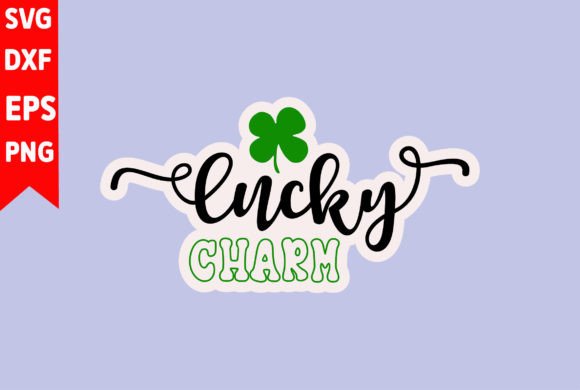
Opening the Lucky Charm design files, the first impression is distinctly optimistic and approachable. It creates a mood of lighthearted confidence, a visual wink that feels both classic and contemporary. This isn't stark minimalism or aggressive futurism; it’s a charm. The emotional tone is welcoming, suggesting community, luck, and a shared smile. For a brand designer, this immediately flags its suitability for casual branding, lifestyle content, and products or services that build on personality and connection. It leans into handmade product aesthetics, event promotions, and editorial graphics that need warmth without sacrificing clarity.
Integrating Lucky Charm into a Real Product Launch Campaign
Imagine a small business, a boutique coffee roaster, launching a new seasonal blend called “Morning Luck.” The campaign needs visual consistency across packaging inserts, social media graphics, and a digital email campaign. Lucky Charm here becomes more than just a t-shirt design; it’s a versatile graphic design asset for marketing visuals. The core motif can be adapted as a secondary logo element on the limited-edition bag, a badge on the website header announcing the launch, and the central visual in a series of Instagram posts building anticipation.
It supports the marketing goal of creating a stronger first impression for the new product line. The design’s inherent positivity fosters an emotional connection, suggesting the coffee isn’t just a beverage, but a little daily ritual of good fortune. This translates into more memorable campaign visuals, directly impacting audience engagement. For the content marketer, this asset provides a ready-made visual anchor, ensuring clearer visual hierarchy in promotional banners where text and call-to-action buttons need to stand out against a distinctive but not overwhelming graphic.
Where Lucky Charm Excels in Professional Branding
This digital product shines in applications that require a touch of personality without looking messy or unprofessional. Its strengths are evident in:
- Brand Identity Accents: As a supporting element in logo design systems, especially for brands with a narrative.
- Packaging Design & Product Labels: Where a small, charming graphic can elevate a simple label.
- Social Media Graphics & Pinterest Pins: Creating a recognizable thread across visual content.
- Digital Ads & Email Banners: Offering a quick point of visual interest to stop the scroll.
- Blog Graphics & Editorial Design: Breaking up text in lead magnets or media kits with branded elegance.
- Content Bundles & Canva Templates: Providing a consistent decorative element for creators.
The asset works best as a hero graphic for a campaign header, a decorative brand element on printable promotions, or a stylized background in merchandise mockups. It supports professional appearance and builds stronger recognition through visual consistency.
Practical Limitations and Designer Notes for Campaign Use
As with any creative design asset, mindful application is key. Lucky Charm should be used carefully in contexts where its specific mood might clash with the core message. It may not suit formal corporate branding requiring austere authority. On dense information layouts, like complex event flyers with many details, it could compete with the main message if not scaled and positioned thoughtfully. Its effectiveness might diminish on very small mobile graphics or against low-contrast backgrounds where detail gets lost.
Before deploying it in a real campaign, a brand designer would run several practical checks:
- Test with Your Brand Color Palette: How does it look in your primary and secondary colors? Does it retain its charm in black and white for utilitarian uses?
- Place it in Real Mockups: Preview it on actual mobile screens, website headers, and product packaging visuals.
- Check Readability at Small Sizes: Ensure intricate details don’t become muddy when scaled down for a social media profile icon.
- Compare Against Competitor Visuals: Does it help you stand out or accidentally blend in?
- Font Pairing Exploration: How does it interact with a serious serif font for body text, a clean sans serif for headlines, or a playful script font for quotes? Finding the right balance is crucial.
- Review Spacing & Balance: In your compositions, does the asset feel integrated or just pasted on?
- Confirm Commercial Licensing: Especially if using it in paid client work, product branding, or reselling as part of a template, always verify the commercial design license terms.
Building Audience Trust Through Consistent Visual Content
For bloggers, publishers, and online coaches, Lucky Charm offers a tool for building a more trustworthy visual narrative. When an audience sees the same charming graphic used across your YouTube channel art, your downloadable PDF guide, and your promotional posters, it subconsciously signals care and consistency. This design asset, used well, becomes a part of your brand’s visual vocabulary. It can improve product presentation in digital marketplaces, making your listing graphics feel more cohesive and designed rather than assembled.
For the social media manager or digital seller, it’s a resource for quickly generating content. The SVG and PNG files can be dropped into Canva templates to create a week’s worth of Instagram Stories with a unified theme, supporting a product launch or seasonal offer. It aids in creating clearer branding within the noisy space of digital ads, helping your message attract attention through friendly familiarity rather than loud aggression.
The Target Audience and Emotional Pull
Lucky Charm naturally attracts audiences looking for authenticity and a personal touch. It would resonate with communities around lifestyle brands, creative entrepreneurs, handmade goods, wellness products, and local events. The mood it creates is inclusive rather than exclusive, making it powerful for brands that rely on community building and repeat customers. In marketing materials, it can soften a commercial message, making a promotional email feel more like a gift and a Facebook ad more like an invitation.
Its application in t-shirt designs is obvious, but its value extends into the broader ecosystem of marketing visuals. Think of it as a clipart illustration with a specific character, ready to be deployed in website design, digital product visuals, and content marketing strategies that benefit from a recurring visual motif.
Final Thoughts on the Asset’s Role in a Modern Design Toolkit
Lucky Charm, as reviewed here, is a strong design asset for the modern creative marketplace. It fills a niche for professional branding that requires warmth and character. For the small business owner refreshing their social media visuals or the product creator building a content kit, it provides a jumping-off point for visual consistency. Its value isn’t just in the single graphic, but in its potential repetition—a lucky charm appearing again and again, building familiarity and trust with your audience.
The key to its successful use lies in intentionality. It’s not a default logo for everything, but a powerful accent. Frame it within your brand’s color story, pair it with typography that complements its mood, and deploy it in layouts where it enhances rather than dominates. When used with these brand designer principles, Lucky Charm transforms from a simple t-shirt design graphic into a genuine tool for clearer brand communication, better engagement, and ultimately, more effective marketing.