Live Love Cook: A Designer’s Review for Real Embroidery
When a design file named Live Love Cook lands in my project folder, my first thought isn’t about the digital product itself. It’s about how it will translate into thread and fabric. I’m looking at it through the eyes of a client, a gift recipient, or a customer browsing my small shop’s shelf. This isn’t just a graphic; it’s a potential embroidered product. So, let’s walk through what that actually means.
The Immediate Mood and Personality
The phrase “Live Love Cook” itself sets a warm, domestic, and heartfelt tone. It’s a statement of passion for home and hearth. As a machine embroidery design, the layout and style will ultimately define its character. A clean, script-based design feels personal and elegant, perfect for a personalized gift. A more playful, blocky font might lean towards a fun, kitchen-centric vibe. The first impression is key: this design naturally belongs on items that celebrate home, family, and the joy of creating—whether that’s in the kitchen or in life.
Where This Design Finds Its Home
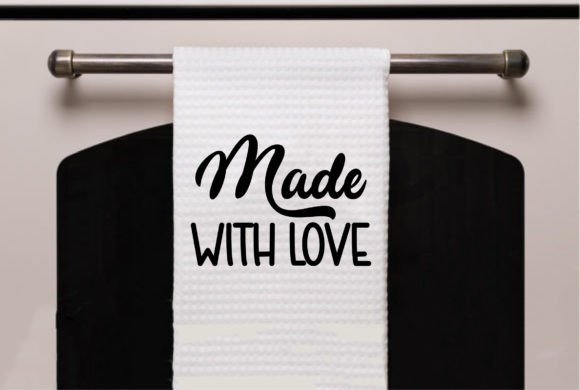
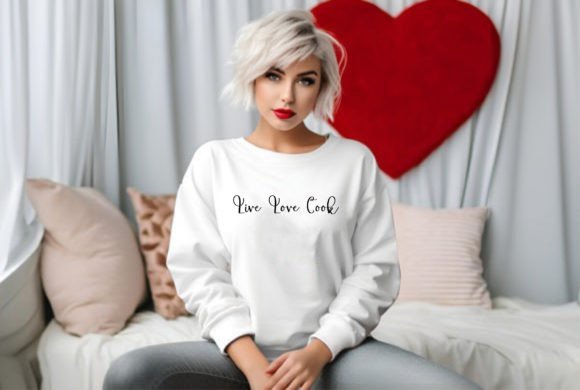
In practical terms, I envision Live Love Cook shining on a few specific canvases. Picture it on a high-quality cotton apron, a gift for a passionate home cook. Imagine it stitched onto a cozy sweatshirt embroidery for someone who loves their cozy kitchen nights. It’s a perfect fit for a linen tea towel in a boutique, or as a sweet, subtle detail on a baby embroidery item like a burp cloth or a nursery pillow cover for a family that values togetherness.
As an Etsy seller or someone running a craft business, this design can anchor a whole product line. It could become a best-selling embroidered patch for denim jackets, a central motif on a tote bag design for grocery runs, or the charming detail on a set of holiday embroidery gifts like oven mitts for Christmas. The theme is universally appealing, which makes it a versatile commercial embroidery asset.
A Real Scenario: The Custom Kitchen Tote
Let’s get concrete. I’m preparing a custom canvas tote bag for a client’s mother, a renowned family baker. I’m considering using Live Love Cook. My immediate practical checks begin: Is the stitch density appropriate for a sturdy canvas fabric? Will the lettering, especially if there are delicate connectors, remain clear after washing? I’d think about thread color—a rich burgundy or a warm cream against the natural canvas. The design’s scale is crucial; it needs to be large enough to be a focal point but not so large it overwhelms the bag. This is where testing on scrap fabric first is non-negotiable.
Considerations for Careful Application
Not every project is a perfect fit. For Live Love Cook, the devil is in the details. If the design has very tiny lettering, I’d avoid small hoop size applications on textured fabrics like towels, where clarity can get lost. Dense stitch areas could be problematic on thin or stretchy fabric like a lightweight t-shirt without the right stabilizer.
Embroidering on dark fabric requires a careful review of the embroidery file in a black mockup to ensure the design has enough presence. Applying it to curved surfaces like caps demands a layout that can adapt to the curve without distorting the message. And for any product destined for frequent washing—like an apron or kitchen towel—the stitch integrity and thread choice are paramount for longevity.
Impact on Product Value and Perception
How does using this design affect the final finished product? Well-executed, it elevates a simple item. A plain apron becomes a meaningful handmade product. A generic sweatshirt becomes a custom apparel piece with personality. This builds customer trust and enhances the handmade presentation. For a small shop product, consistency in using such warm, quality designs builds brand consistency.
The giftability and recognition are high. People see “Live Love Cook” and immediately understand its intent. That instant connection drives buyer engagement. It looks professional not because it’s overly complex, but because it’s appropriate and well-made. In a digital product preview or a printable mockup for your online store, it communicates a clear, appealing use-case to potential buyers.
Practical Notes Before You Stitch
Before I load any digital embroidery file into my machine, I follow a personal checklist. For Live Love Cook, and any design like it, I strongly advise:
- Always test the design on scrap fabric first, using the same material and stabilizer as your final project.
- Check thread color contrast against both light and dark backgrounds. A design can look perfect on screen but disappear on fabric.
- Review stitch density by looking at the file preview; very dense areas might require a lighter-weight fabric or adjustments.
- Confirm hoop size compatibility. Ensure the design dimensions fit your intended hoop without needing excessive resizing, which can distort details.
- Inspect small details like the connections in script letters or any intricate corners. These areas can bunch up or break if not suited to the fabric.
- Since this is categorized under T-Shirt Designs and Graphics, understand its intended use, but also check whether the design works for both personal and commercial projects by confirming the licensing terms included with the file.
Finally, remember that the product description states it’s a digital download containing files for many purposes. As a professional, my job is to ensure those files meet the physical demands of my specific project. Live Love Cook has the thematic power to create beautiful, meaningful items. By applying these practical, real-world embroidery judgments, you can ensure that power translates perfectly from the digital screen to the tangible, stitched product your client or customer will cherish.