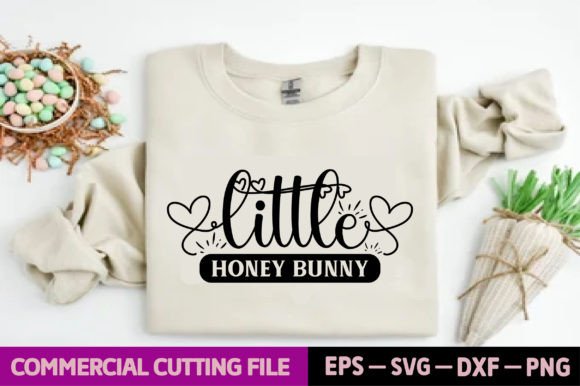
Little Honey Bunny Graphics for T-Shirt Designs and Creative Branding
When I first opened the Little Honey Bunny file, the immediate impression was warmth. This isn’t a stark, geometric asset; it’s a friendly, approachable character with a soft, illustrative style. As a brand designer, my first thought was about the mood it creates: playful, gentle, and inherently trustworthy. It brings an emotional tone of sweetness and authenticity, making it instantly suitable for brands built around handmade products, family-focused content, lifestyle blogs, and event promotions targeting a community-minded audience.
The First Impression: Where Mood Meets Marketing
In a real project—say, a small business launching a new line of organic children’s products—this initial mood is everything. Your audience’s perception begins with these visual cues. Little Honey Bunny doesn’t scream “corporate”; it whispers “caring.” This emotional connection is the foundation for building audience trust. For a product launch, using this graphic on your campaign headers or social media covers can make your offer feel more personal and less purely commercial.
Integrating Bunny Graphics into a Real Campaign Workflow
Imagine you’re preparing a spring-themed content kit for your blog or online shop. Little Honey Bunny becomes a versatile core asset. For Pinterest pins promoting your new t-shirt designs, the bunny illustration adds a unique, memorable visual that stands out against more generic competitors. In email banners announcing a seasonal sale, it provides a decorative brand element that reinforces your identity without overwhelming the call-to-action. For printable packaging inserts or thank-you cards, it offers a consistent, professional appearance that elevates the customer experience.
Strengthening Visual Consistency Across Channels
Consistency is the heartbeat of professional branding. This single graphic design asset can be deployed across your Instagram posts, Facebook ads, and blog graphics to create a cohesive narrative. When your audience sees the same illustrative style on your product label, your website header, and your digital ads, their recognition strengthens. Little Honey Bunny supports this by being a distinct yet adaptable element. It can serve as a secondary logo mark, a packaging accent, or the hero graphic for a lead magnet like a downloadable recipe card or activity sheet.
Practical Applications for Content and Commerce
Let’s break down where this creative design performs exceptionally well. For social media graphics, especially Instagram Stories or Pinterest pins, its clear visual hierarchy and charming detail attract attention without looking messy. In editorial design, such as newsletter layouts or media kits, it can break up text-heavy sections gracefully. As part of a Canva template for your community, it helps users create on-brand content effortlessly. For merchandise beyond t-shirt designs, like stickers or digital product visuals for planners, it injects personality.
- Hero Graphics & Campaign Headers: It establishes theme and emotion instantly.
- Branded Templates & Content Bundles: It provides a reusable anchor for your visual identity.
- Packaging Accents & Product Labels: It enhances product presentation with a handmade feel.
- Promotional Banners & Digital Ads: It creates an emotional connection that can improve engagement.
Navigating Limitations for Professional Results
Every design asset has a context where it shines and another where it requires caution. Little Honey Bunny’s detailed, illustrative nature means it should be used carefully in formal corporate branding or on extremely dense information layouts where it might compete with the main message. On small mobile graphics, test readability in small sizes to ensure it doesn’t become a fuzzy blob. Avoid placing it on low-contrast backgrounds where its form might disappear. For overly minimal brands, this asset might introduce too much decorative weight.
A Brand Designer’s Checklist Before Deployment
Before slotting Little Honey Bunny into your live campaign, run these practical tests.
- Color Palette Test: Place it against your brand’s primary colors. Does it harmonize or clash?
- Typography Pairing: Compare it against your font styles. Does it pair well with a clean sans-serif for balance, or a playful script for cohesion?
- Mockup Preview: Place it inside real campaign mockups—a Facebook ad frame, a t-shirt template, a blog header. Check spacing and balance.
- Cross-Platform View: Preview it on mobile screens and desktop. Ensure it scales appropriately.
- Competitor Contrast: Compare your graphics using Little Honey Bunny against competitor visuals. Does it help you stand out?
- Licensing Confirm: For client work or commercial campaigns, always confirm the commercial license terms of the digital download.
The Final Verdict: A Asset for Connection-Driven Marketing
Ultimately, Little Honey Bunny is a design asset for creators who want their marketing visuals to feel human. It supports goals of stronger first impressions and more memorable campaigns by offering a point of genuine charm. In a marketplace crowded with sterile stock graphics, this kind of creative design offers a shortcut to warmth. For brand owners, marketers, and content creators building communities, selling lifestyle products, or promoting family-oriented content, this graphic bundle is a tool for building not just recognition, but affection. Use it where your message needs a soft touch, and your branding will gain a consistent, professional, and deeply engaging visual voice.