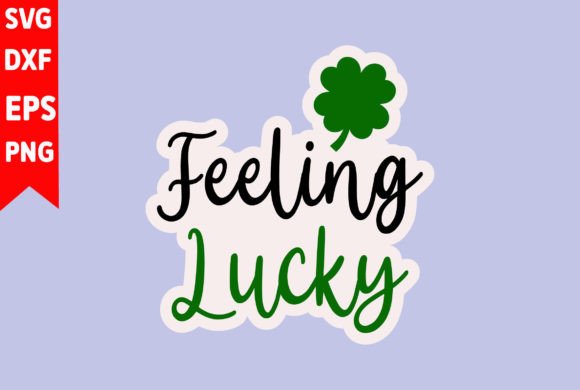
Feeling Lucky Graphics for T-Shirts & Beyond
When you’re curating a new collection for your Etsy shop or preparing a seasonal drop for your print-on-demand store, the first impression of a graphic design asset is everything. Opening Feeling Lucky, I immediately get a sense of playful, approachable energy. This isn’t a minimalist or overly corporate set—it carries a visual personality that feels celebratory and optimistic. It’s the kind of asset that would attract buyers looking for something fun, perhaps for a personal milestone, a lighthearted gift, or a brand with a cheerful, handmade vibe.
Where Feeling Lucky Finds Its Niche
The mood here suggests several clear commercial paths. Beyond the stated T-Shirt Designs, this graphics bundle has strong potential for products centered around luck, celebration, new beginnings, or casual self-expression. Imagine a customer browsing for a “good luck” gift mug, a “birthday luck” tote bag, or a playful printable for a nursery. The aesthetic could work well for a feminine audience, crafters, or anyone building a brand around positivity and casual elegance.
You receive a digital download—a single .zip file containing the design assets. This is standard for commercial graphics, and it means the value lies entirely in how you apply these files to sellable products.
Practical Applications for Your Shop
Let’s break down how Feeling Lucky translates into real listings. The included SVG and PNG files are your raw materials. For a print-on-demand seller, these become the core of t-shirt graphics, mug designs, tote bag prints, and tumbler wraps. For digital download creators, they can be transformed into printable wall art, planner stickers, greeting cards, and invitation templates. Crafters and Cricut users could leverage the designs for scrapbooking kits, custom sticker designs, and party decor.
If you’re selling on platforms like Creative Fabrica or as a Canva template seller, these elements can be packaged into social media templates, blog graphics, and digital paper packs for other creators. The key is to think beyond a single use. A successful digital product creator tests an asset across multiple formats before committing to a listing.
Testing the Asset Before You List
Before you publish anything, a rigorous test is crucial. Don’t just look at the files in isolation; see them in context.
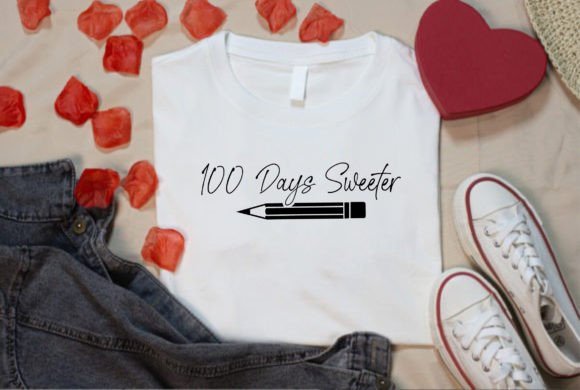
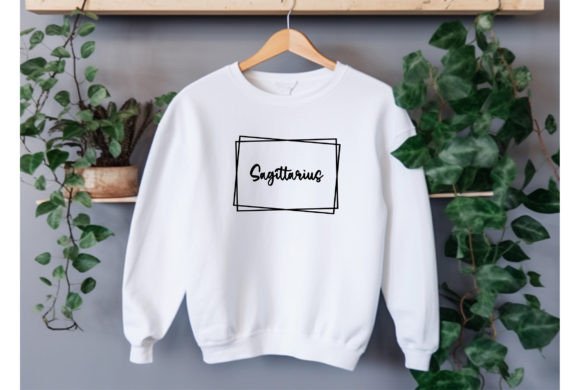
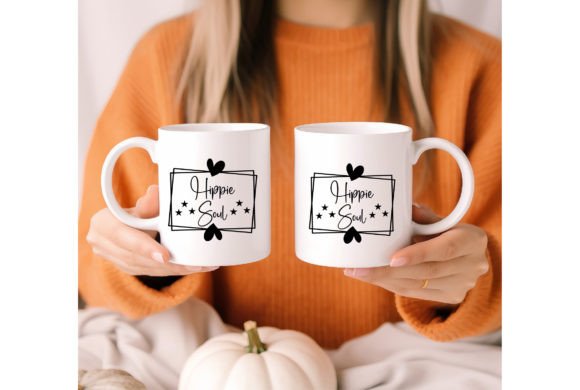
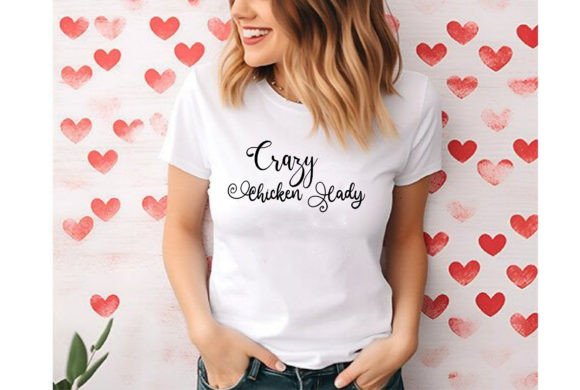
First, test Feeling Lucky on real product mockups. Place the design on a t-shirt mockup, a mug mockup, and a wall art frame. This instantly reveals how the scale, color, and composition work in a realistic setting. It also helps you build your listing images with professional appeal.
Next, preview the design as a marketplace thumbnail. Scale it down to the tiny size it will appear in search results. Does the core concept remain clear? Thumbnail appeal directly impacts click-through potential. Check how it looks on both white and dark backgrounds—some designs vanish on dark apparel unless you have a suitable outline or inverse version.
Technical Checks for Quality & Trust
Perceived value and customer trust hinge on technical quality. For any printable product or merchandise graphic, verify the file resolution. PNGs need to be high-resolution for crisp prints. For SVG designs intended for Cricut or Silhouette projects, inspect the cut quality in your software. Are the paths clean and closed? Complex, tiny details might not cut cleanly on vinyl, so know the limits of your asset.
Always confirm the commercial licensing of the original asset before selling your finished products. Organize the final files clearly for your customers; a messy download hurts your brand reputation.
Presentation & Professional Polish
Feeling Lucky can help elevate your entire product presentation. Used consistently across a themed bundle—say, a “Lucky Day” collection of mugs, stickers, and cards—it builds brand consistency and visual storytelling. This cohesion makes your shop look curated and professional, not haphazard.
Consider pairing these graphics with complementary fonts. Test it with a clean sans serif for a modern look, a playful script font for a handmade feel, or a bold display font for a more graphic statement. This pairing expands your product variations without needing new illustrations.
Where This Asset Works Best
This graphic design asset shines in large product previews where its details can be appreciated. It’s ideal for decorative layouts on printable products like wall art or greeting cards. It can be a strong focal point on merchandise graphics for apparel and drinkware. Use it in your social media promos to advertise the collection, and in clean digital download listings where the value is immediately visible.
Where to Use It Carefully
Be cautious with applications requiring extreme precision. If the design has very fine lines or intricate small elements, it might not work for tiny sticker details. Avoid overly complex layouts where the main motif could get lost. For print-on-demand, always test print colors; what looks vibrant on screen might print differently. If the design lacks strong contrast, it will fail on crowded thumbnails or certain apparel colors. And remember, if the asset is text-heavy or relies on specific typography, ensure your licensing covers font usage for commercial resale.
Final Thoughts for the Selling Creator
Evaluating Feeling Lucky from a business-minded perspective, its utility comes from its adaptable mood and clear commercial intent. It’s not a one-trick product; it’s a versatile component for your creative inventory. By testing it across mockups, checking its technical limits, and planning its use within a broader collection, you transform a simple digital download into a professional design asset that supports multiple revenue streams.
The real goal is to build a shop that feels trustworthy and valuable. Assets like this, when applied thoughtfully, help you achieve that. They become the building blocks of your packaging design, your brand identity, and ultimately, your small business branding. So, open that .zip file, start mocking up products, and see where Feeling Lucky takes your next product launch.