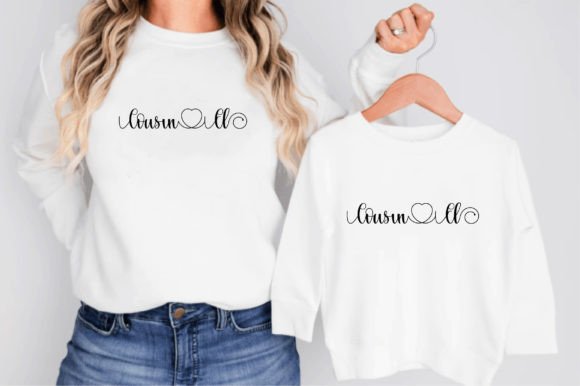
Cousin Elf: A Graphics Asset for Whimsical T-Shirt Designs
The First Impression: An Unexpected Dose of Personality
Opening the Cousin Elf digital download, my immediate thought was: "This is charm with an edge." As a brand designer, first impressions are everything. This graphic design asset doesn't scream; it whispers with a quirky confidence. The mood is playful yet slightly mysterious, perfect for brands wanting to build an emotional connection that feels handmade, personal, and slightly offbeat. It brings a tone of casual storytelling, ideal for lifestyle content, event promotions for creative communities, or commercial marketing materials targeting audiences tired of sterile, corporate visuals.
Beyond the T-Shirt: Real-World Campaign Applications
Imagine a small business launching a new line of artisanal products. They need a content kit that feels cohesive across packaging inserts, Pinterest graphics, and digital campaign banners. Cousin Elf can be the unifying thread. For brand identity, it could serve as a secondary logo element or a recurring motif on product labels, injecting personality without overwhelming the primary mark. In social media graphics—Instagram posts, Facebook ads—it acts as an engaging focal point, stopping the scroll. As a blog graphic or email banner, it establishes a visual hierarchy, guiding the audience to the headline without looking messy.
Where This Creative Design Thrives in Marketing
Its strength lies in decorative brand elements that support stronger first impressions and more memorable campaign visuals. Consider these applications:
- Hero Graphics & Campaign Headers: For a product launch, Cousin Elf can dominate the visual space, creating an immediate mood.
- Branded Templates & Content Bundles: Import the SVG or PNG files into Canva templates for quick, consistent social media covers or promotional banners.
- Packaging Accents & Merchandise: Beyond T-Shirt Designs, it elevates stickers, digital product visuals for online coaches, or printable promotions for event flyers.
- Editorial Layouts & Lead Magnets: In a media kit or blog post, it provides a professional appearance and clearer visual hierarchy, improving audience trust.
Navigating Limitations for Professional Branding
However, a seasoned content marketer knows an asset's fit is contextual. Cousin Elf should be used carefully in certain scenarios. Its detailed, character-driven nature may clash with formal corporate branding or overly minimal brands. In dense information layouts or text-heavy ads, it could compete with the main message if not scaled and placed thoughtfully. On small mobile graphics or against low-contrast backgrounds, readability and impact might diminish. The key is to let it support, not dominate.
A Designer's Practical Checklist Before Deployment
Before integrating Cousin Elf into a real campaign or client work, I run these tests:
- Color & Contrast: Test it with the brand's color palette. Check its black and white usage for flexibility.
- Typography Pairing: Compare it against competitor visuals. Review how it pairs with a serif font for elegance, a sans serif for modernity, or a script font for harmony. Spacing and balance are crucial.
- Context Mockups: Place it inside real campaign mockups. Preview it on mobile screens and test readability in small sizes.
- Licensing Assurance: Confirm the commercial license covers use in paid campaigns, business branding, and digital ads. This is non-negotiable for professional branding.
The Strategic Fit for Your Marketing Goals
Ultimately, Cousin Elf isn't just clipart; it's a strategic graphic design asset. For creative entrepreneurs and digital sellers, it supports stronger recognition and better engagement by providing a unique, repeatable visual. For bloggers and publishers, it enhances editorial design, making content feel curated. For social media managers, it offers a stock of marketing visuals for building a consistent, emotional narrative across platforms.
This modern design from the creative marketplace solves a common small business branding problem: how to attract attention without looking unprofessional. When used with intention—as a hero graphic for a seasonal offer, an accent on packaging design, or the centerpiece of Pinterest pins—it transforms from a simple illustration into a tool for clearer product presentation and improved audience trust. It tells your audience that your brand has character, and that’s a message worth designing around.