A Designer's Practical Look at 'The Bride One' for Real Projects
When a new embroidery file lands in my digital library, my first thought isn’t just about aesthetics—it’s about application. How will this design translate from screen to stitches? Where will it shine, and where might it struggle? Let’s walk through that exact process with The Bride One, examining it through the lens of someone who’s about to load it onto a machine for a real client order or a product for my small shop.
The Immediate Mood & Where It Naturally Belongs
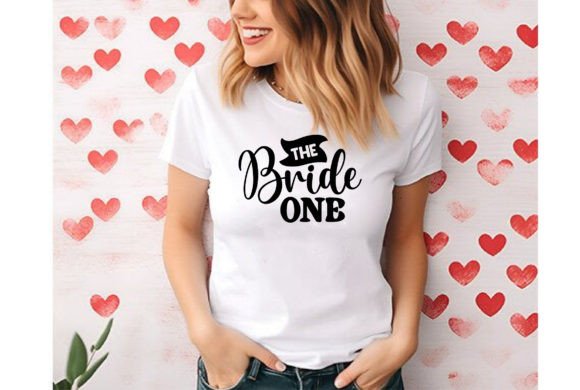
At first glance, The Bride One evokes a specific, cherished feeling. The name alone tells a story, but the design’s execution—its shape, layout, and thematic personality—will determine its true project home. For a machine embroidery design like this, I imagine a classic, elegant, and celebratory mood. It feels destined for projects centered around love, commitment, and new beginnings. This isn’t a casual graphic; it’s a statement piece.
Its natural habitat isn't just T-Shirt Designs. I immediately picture it elevating a premium cotton tote bag for a bridal party gift, or beautifully centered on the back of a soft, high-quality sweatshirt as a personalized keepsake. It would add a touch of heartfelt handmade charm to a linen pillow cover for a newlywed’s home, or become a cherished, framed embroidered patch.
Performance in Real-Life Embroidery Situations
So, how does The Bride One perform when we move from concept to hoop? The key considerations here are clarity, stitch integrity, and final presentation value.
On stable, medium-weight fabrics like canvas for totes, cotton blends for sweatshirts, or linen for home decor, this type of design should thrive. The stitch density and any potential satin stitch or fill stitch areas need to lay cleanly to maintain that elegant look. For a baby embroidery item, like a delicate blanket or a special outfit, I'd be mindful of the overall size and ensure the design is scaled appropriately to remain soft and not overly stiff.
Its appeal as a personalized gift is immense. Stitched onto a crisp apron or a set of kitchen towels for a wedding gift, it transforms a practical item into a sentimental heirloom. For craft business owners and Etsy sellers, this design, when executed well, boosts product value and customer trust by showing attention to detail and a cohesive, professional handmade presentation.
Spaces Where a Design Like This Needs Extra Care
Not every project is ideal. With a design carrying a name like The Bride One, which implies certain refinement, we must choose its canvas wisely.
Small hoop sizes could compress its details, potentially losing impact. On highly textured or very thin, stretchy fabric, the finer elements might not hold their definition. Embroidering on dark fabric backgrounds requires a thoughtful thread color strategy to ensure the design pops with the intended elegance.
Applying it to curved surfaces like caps demands careful digitizing—if the file isn't optimized for that, the layout could distort. I'd also scrutinize any tiny lettering or intricate decorative accents within the design; these areas need perfect tension and the right stabilizer to prevent fraying or blurring in finished products that face frequent washing.
Affecting Visual Appeal & Commercial Viability
A design’s true test is in the reaction it gets. When The Bride One is stitched perfectly, its visual appeal is directly linked to stitching clarity. Every line must be crisp to convey its celebratory mood. This clarity, in turn, enhances giftability, brand consistency for a shop, and overall professionalism.
For digital product sellers, using this file in clean printable mockups for digital embroidery file listings is crucial. Showing it on a light and a dark background mockup can instantly communicate its versatility to potential buyers. The recognition factor—someone seeing it and instantly understanding its purpose—is high, which drives buyer engagement for both the digital asset and the physical finished product.
Practical Notes from the Embroidery Hoop
Before I ever run a design like this for a client or my shop, my routine is non-negotiable. Here’s what I’d do with The Bride One:
- Test on scrap fabric first. Use the exact material you intend for the final project. This reveals how the stitch density interacts with the fabric texture.
- Check thread color contrast. Run a small section on both a white and a black scrap to see if the chosen palette works universally.
- Review the design in your software. Inspect small details and corners. Are there any potential jump stitch traps or overly dense areas that might pucker?
- Confirm your hoop size and scale. Does the design fit comfortably within your intended hoop, or does scaling down compromise its detail?
- Use proper stabilizer. Match the stabilizer to the fabric weight and stretch. This is the backbone of a clean stitch-out.
- Consider the project scope. Is this for a one-off personalized gift or for repeated use in your commercial embroidery business? Always, always check the provided licensing terms before selling any finished product or using the file as a design asset in your craft business. The product description states it's a digital download, so understanding its permitted uses is essential.
The Final Stitch: A Design for Meaningful Projects
In conclusion, The Bride One isn’t just another graphic in the library. It’s a embroidery project with a built-in narrative. Its strength lies in targeted, quality applications where its theme can be fully appreciated. It’s perfect for that special order tote bag, that heirloom baby blanket, or that boutique sweatshirt that speaks directly to a heartfelt occasion.
Approach it with a designer’s practicality: test thoroughly, choose your fabrics and applications thoughtfully, and respect its licensing for commercial use. When handled with that care, it becomes more than a pattern—it becomes the centerpiece of a product that carries real emotion and value, which is, after all, what the best machine embroidery design should do.